The tribal community called “Bhils” found in this region is one of the oldest tribes in the world. It is said that this tribe claim belongs to the stone age.
This tribal community was as committed to the protection of their state as was the royal family of Mewar. The Bhil community people fought hand in hand with Mewari royal family for the cause of protection of their state. It wouldn’t be an exaggeration to say that their unconditional support was one of the reasons why Mewar could maintain its sovereignty and could remain undefeated against some of the mighty attacks.
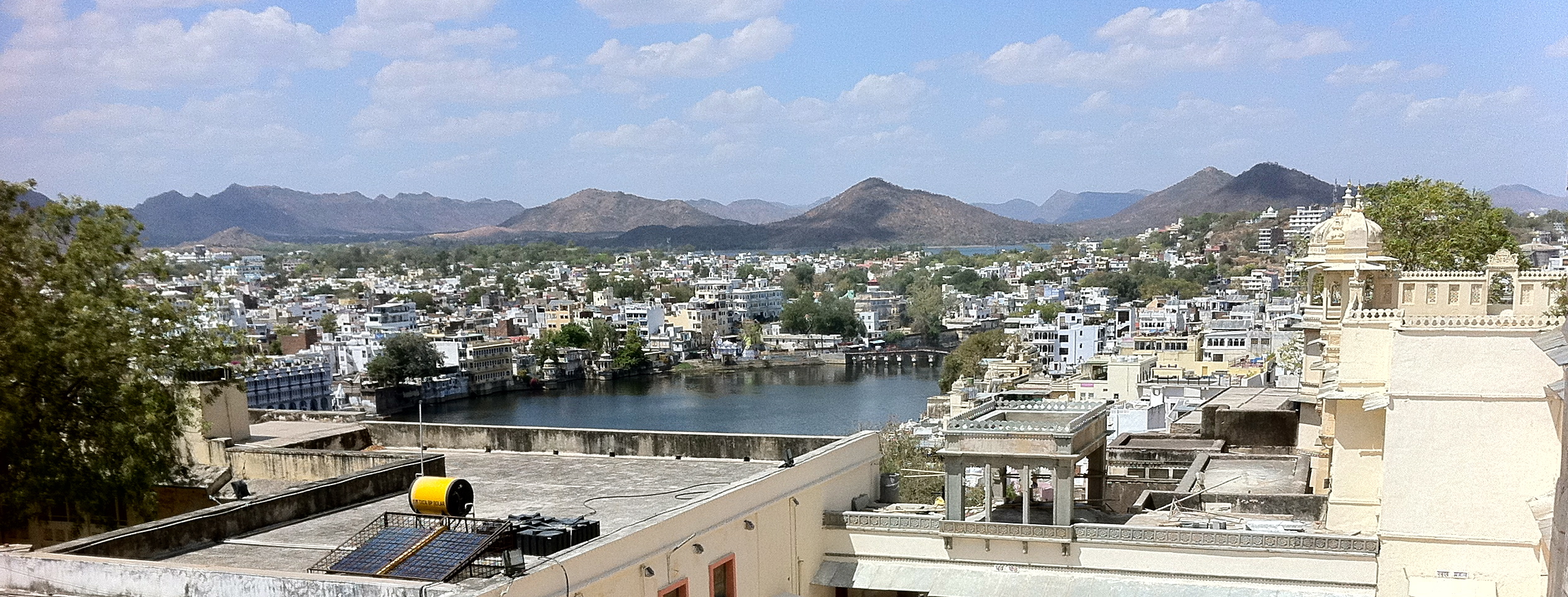
The city of Udaipur is surrounded by Aravalli hills (one of the oldest ranges in the world).


In those times a thick jungle sheltering wild animals surrounded Udaipur. The attacking armies would find it very difficult to pass through this difficult terrain to reach the city of Udaipur. Over these natural hurdles, the Bhils – experts in guerilla warfare, would shoot arrows of poison at these intruders to dampen their spirits further.
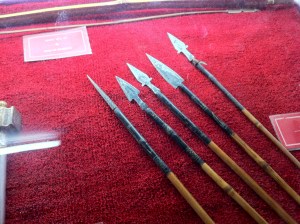
it’s said that destiny supports the brave! The kings and Queens who were ready to sacrifice their lives for the cause of their state and its people, it seemed even God extended a special umbrella of protection upon them by gifting Mewar it’s fearless tribal population in form of the Bhils..
Some Spiritual tales –
The Kings of Mewar called themselves the Custodians of Ek Ling ji. Ek ling Ji is the form of lord Shiva worshiped here.
The Kings official signatures read “Dewan of Ekling ji” .
By saying this they contributed all their wealth rightly belonging to lord Shiva. Being on the highest stature and still recognizing all belongs to God is a definite sign of deep spiritual roots,isn’t it!
Story of Prem Giriji–
King Udai Singh went hunting one night. He became curious seeing smoke rising at the top of a hill and he went towards it. Tracing it lead him to a mountain peak where he had an encounter with Saint Prem Giriji .
The sage blessed the king and intuitively told him that if the King choses to built his royal Palace on this particular peak, the King’s generations would rule for hundred years and more.
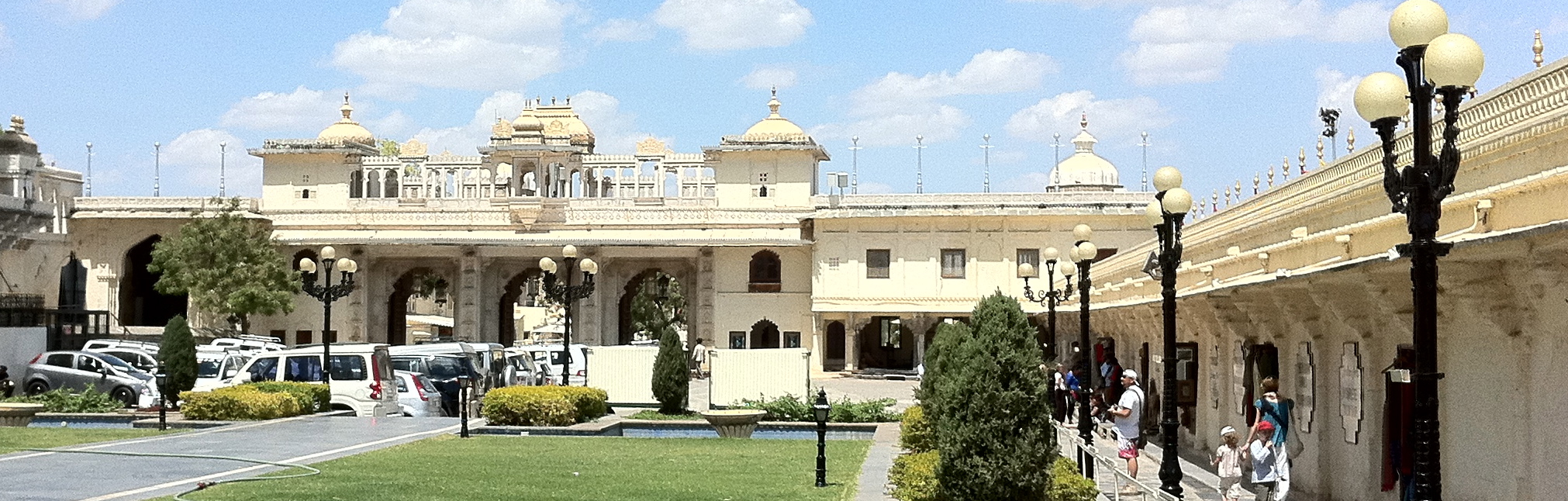
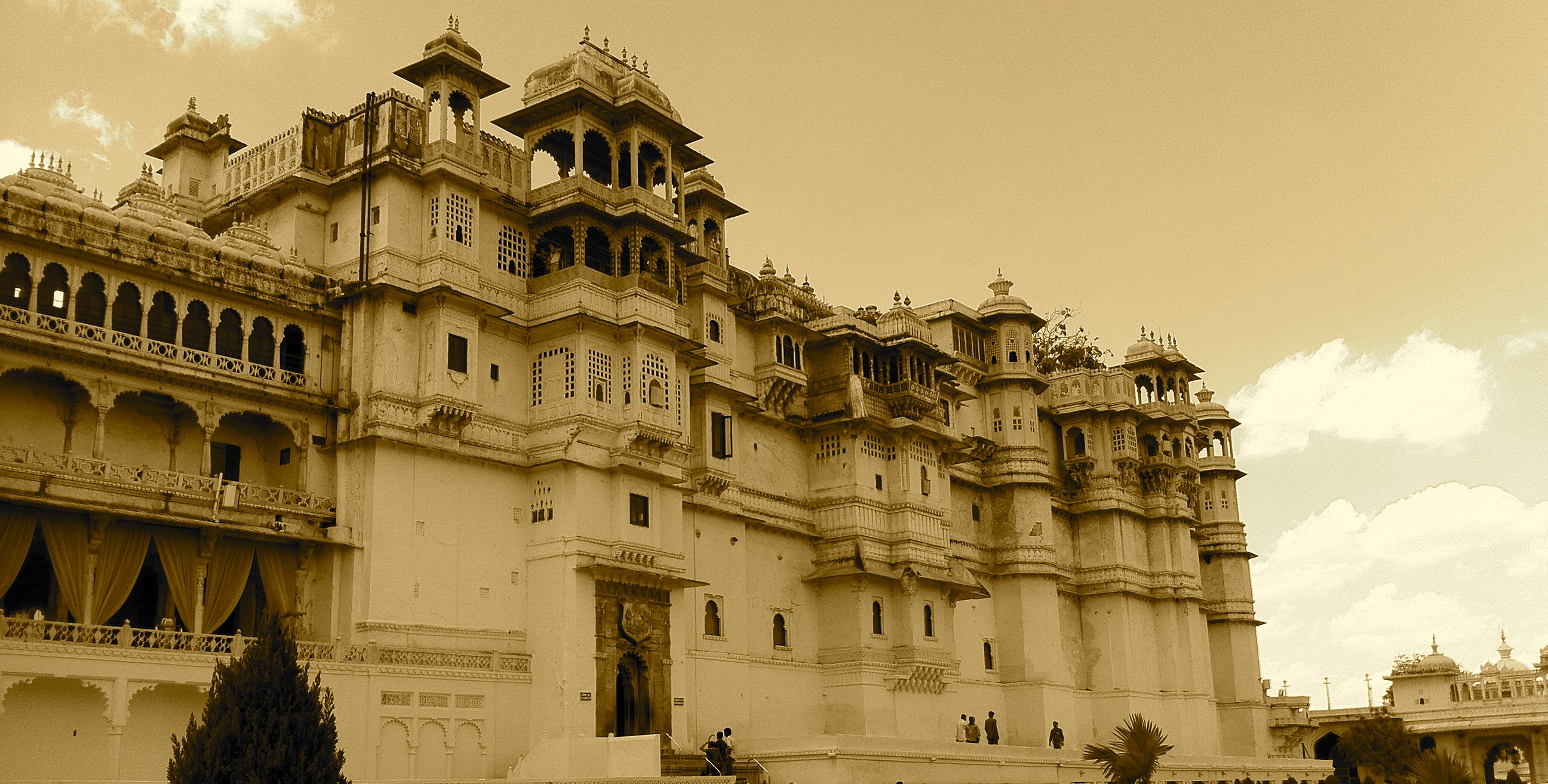
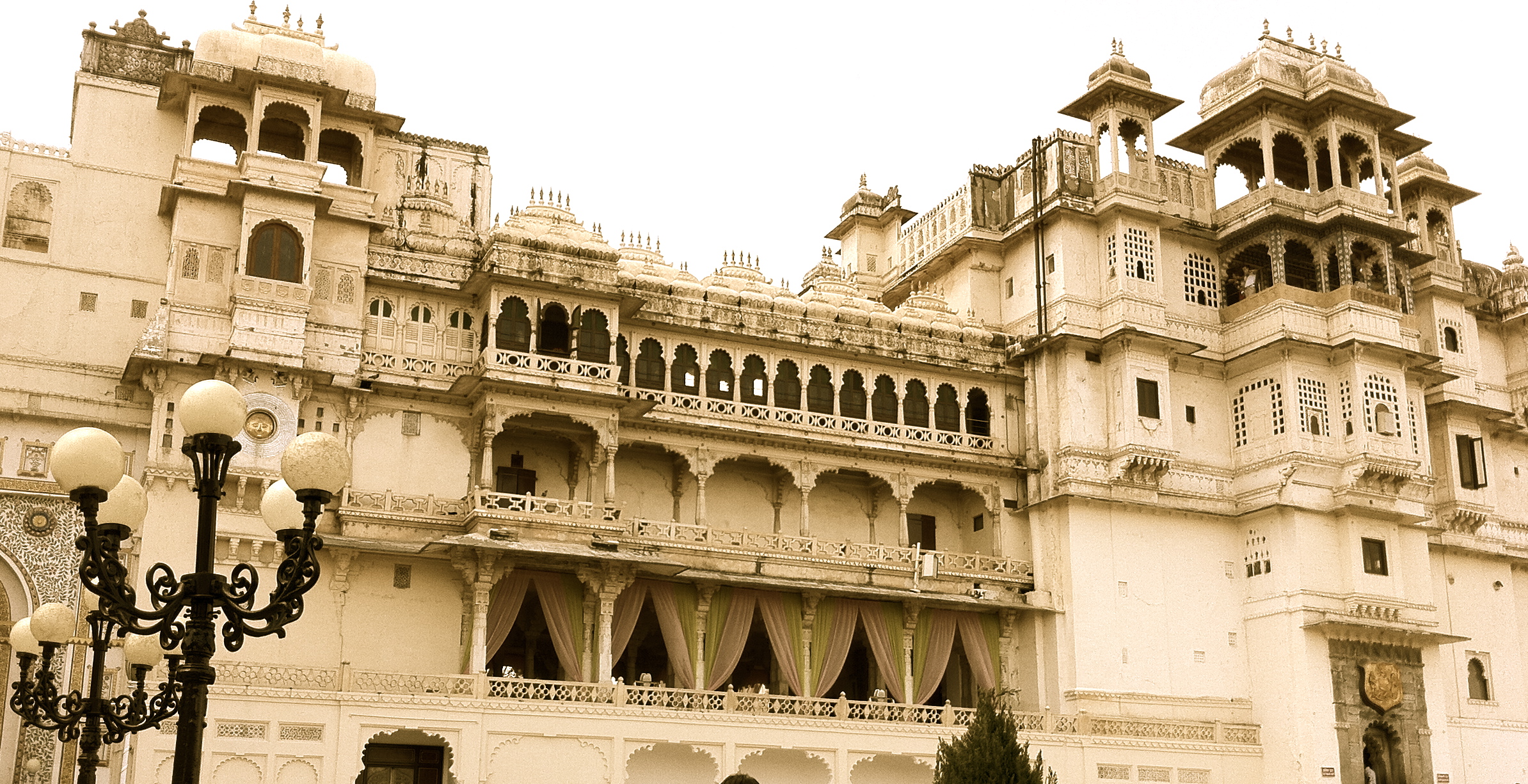
This is how Udaipur was founded by King Udai Singh. In the heart of City palace is located a temple of PremGiriji, even today, at the same place where the king was blessed by the sage.

God’s direct intervention, that’s what we would call this. Isn’t it.. And so Mewar dynasty continues to be the longest serving dynasty in the world. The present King is Its 76th generation serving as a king.
However this clan claims itself to be from the linage of lord Ram. Lord Ram had two children Lav and Kush. They believe they are descendants of Lav. There will always be critics who would over rule such claims, but to me what makes this clan one of the most unique is their commitment to live or die for the sake of their state and people.
And these values seeped downwards in their subjects, and both humans and animals reflected the same emotions of sacrifice.
Let me explain by narrating the two tales…
Sacrifice of Panna Dhai– Often among royal families would be found a sense of rivalry among cousin brothers for the greed of power to rule the throne.
Cousin Banvir wanted to be the uninterrupted crowned king of the Mewar dynasty and after killing Vikarmaditya elder son of King Sanga he also wanted to kill his youngest son, infant Udai Singh.
Blinded by his extreme greed for power, cousin Banvir planed to kill the infant while he was asleep. Panna Dhai, the prince’s maid got to know about his evil plans. To save the only heir of the throne Panna Dhai, quietly exchanged her own son (approx. the same age) with prince Uday and saved his life. At the cost of her own Son’s life.
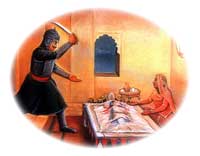
Such sacrifice of a mother for loyalty towards her state is unheard of before or after this episode … isn’t it! Where a mother sacrifices her own child for protecting the heir of her state. Simply amazing..
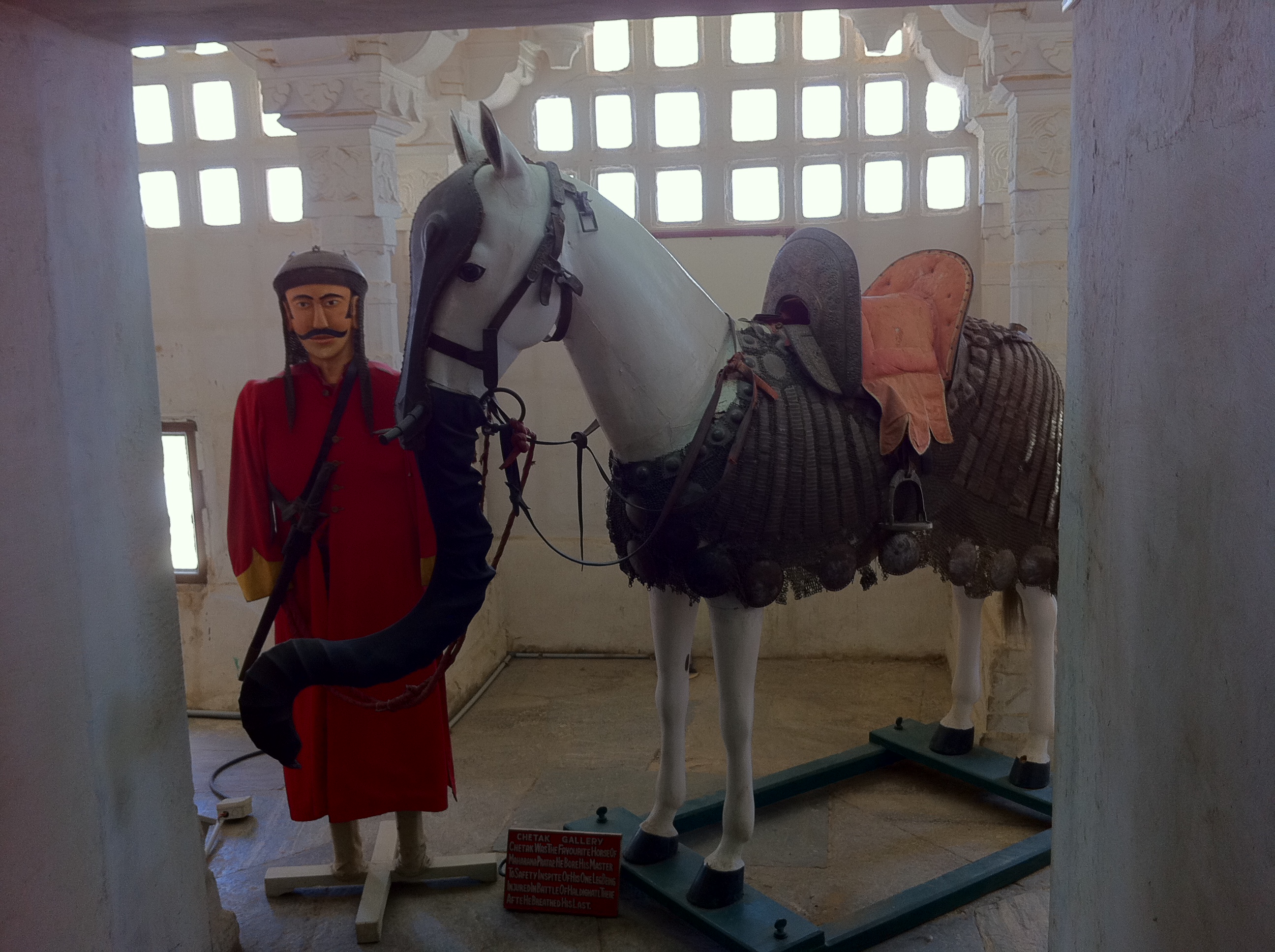
Sometimes even the Animals reflected outstanding Heroism, another rare tale of Chetak– Most of us may have heard about the famous battle of Haldighati. Ranapratap the King of Mewar refused to succumb to the pressure of Akbar and sign a treaty on his terms. Furious Akbar sent his large army lead by Raja Mansingh (king of Amber) for a battle against Rana Pratap.
This was the famous battle of Haldighati. Rana Pratap fought bravely against the mighty army of Akbar. Read more @ http://www.indiaonline.in/about/Profile/History/Wars/Battle-of-Haldighati.html
Rana Pratap’s loyal horse Chetak was injured badly and lost one of his legs during this fight. But he did not give up. But laboured on to carry his master, about two miles away from the site of the battle field where he came across a small stream. It was here, while trying to leap across the stream that chetak collapsed.A heroic end of Chetak , even today the cenotaph still exists at Haldighati in Rajsamand district.
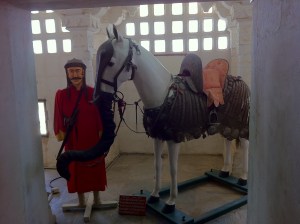
Though we have heard some of these tales in our childhood, but the morals seem to have been long forgotten now. Aren’t these epics our true wealth and our real moral guide? And if so, shouldn’t we sing these lores again and again to re-kindle nationalism and our pride in our civilisation!
These Suryavanshi kings who would prefer to sacrifice their lives but not trade their independence, for small sensory pleasures or weaknesses, are true Hero’s in my eyes.
Other facts-
Maharana Bhupal Singh was the first ruler to merge his state with independent India (18 April 1948). India’s first Union Home Minister (Loh Purush – the Iron Man) Sardar Vallabh Bhai Patel reprimanded the reluctant Hyderabad and other states saying that “…if any ruler in India had any right to claim of independence it was Mewar, which has gladly and readily merged with the Indian Union saying that it was fulfillment of 13 centuries of their mission…but for Mewar no other rulers has that right…”
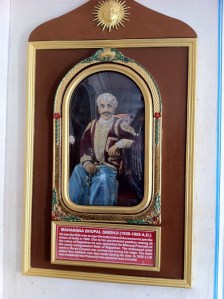
Today Udaipur continues to be one of the most attractive cities in the world. A city hosting one of the most magnificiant palace hotels like Uday vilas, Leela palace, Lake palace etc. Attracting thousands of tourists towards its outer beauty.
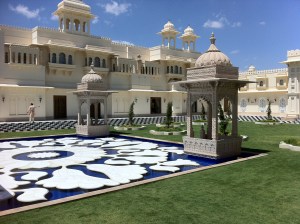
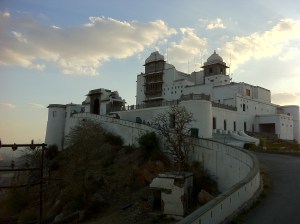
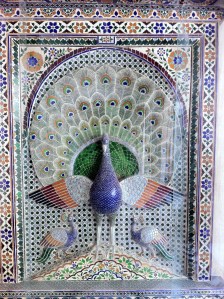

But I am sure, at a closer look at the history of Udaipur, every visitor would agree “Udaipur is not just a city of lakes but its real beauty lies in its rich culture, stories of invigorating bravery, a legacy few states in the world have a parallel with”. I think, It’s always the people and their values of a state which make it truly great. Udaipur in that sense is truly remarkable!!

Vasudha Jhunjhunwala
P.S- Special thanks to Ran Vijay Singh ji for being such a inspiring guide.
 😀
😀

















 Vasudha Jhunjhunwala